
Your Guide to Preventing Kitchen Clogs and Garbage Disposal Disasters
The kitchen is the heart of the home, but when the sink backs up or the garbage disposal makes a grinding halt, it can bring your entire routine to a standstill. That slow-draining water or the ominous hum from under the sink is more than just an inconvenience; it’s a sign of trouble brewing in your pipes. For homeowners across Hamilton, dealing with a clogged kitchen drain is a frustrating and often messy experience. But what if you could prevent most of these problems before they even start?
At Aberdeen Plumbing, we believe that a little knowledge goes a long way in maintaining a healthy home plumbing system. Instead of waiting for a disaster, you can take simple, proactive steps to keep your drains clear and your garbage disposal working efficiently. This guide will walk you through the common causes of kitchen plumbing issues and provide practical tips to keep everything flowing smoothly.

The Usual Suspects: What Really Clogs Your Kitchen Sink?
Most kitchen clogs don’t happen overnight. They are the result of weeks, months, or even years of buildup from everyday use. Understanding what causes these blockages is the first step toward preventing them. While it might be tempting to wash everything down the drain, many common kitchen substances are your plumbing’s worst enemies.
Here’s a list of items that should never go down your kitchen drain:
- Fats, Oils, and Grease (FOGs): This is the number one cause of stubborn clogs. When you pour hot grease from a frying pan down the drain, it may be liquid, but as it cools, it solidifies and sticks to the inside of your pipes. Over time, other debris gets trapped in the grease, creating a dense, tough blockage that water can't penetrate.
- Starchy and Fibrous Foods: Think potato peels, pasta, rice, and oatmeal. These foods expand when they absorb water, turning into a thick, paste-like substance inside your pipes. Fibrous vegetables like celery, corn husks, and onion skins can also wrap around your garbage disposal blades and create stringy blockages.
- Coffee Grounds: It’s a common myth that coffee grounds are good for your drains. In reality, they don’t dissolve in water and can accumulate in your pipes, leading to sludgy, sediment-like clogs.
- Eggshells: The thin membrane inside an eggshell can stick to the sides of pipes, and the ground-up shell particles can add to existing sludge, worsening a clog.
Being mindful of these items can save you from the headache of a backed-up sink and the need for an emergency drain cleaning service.
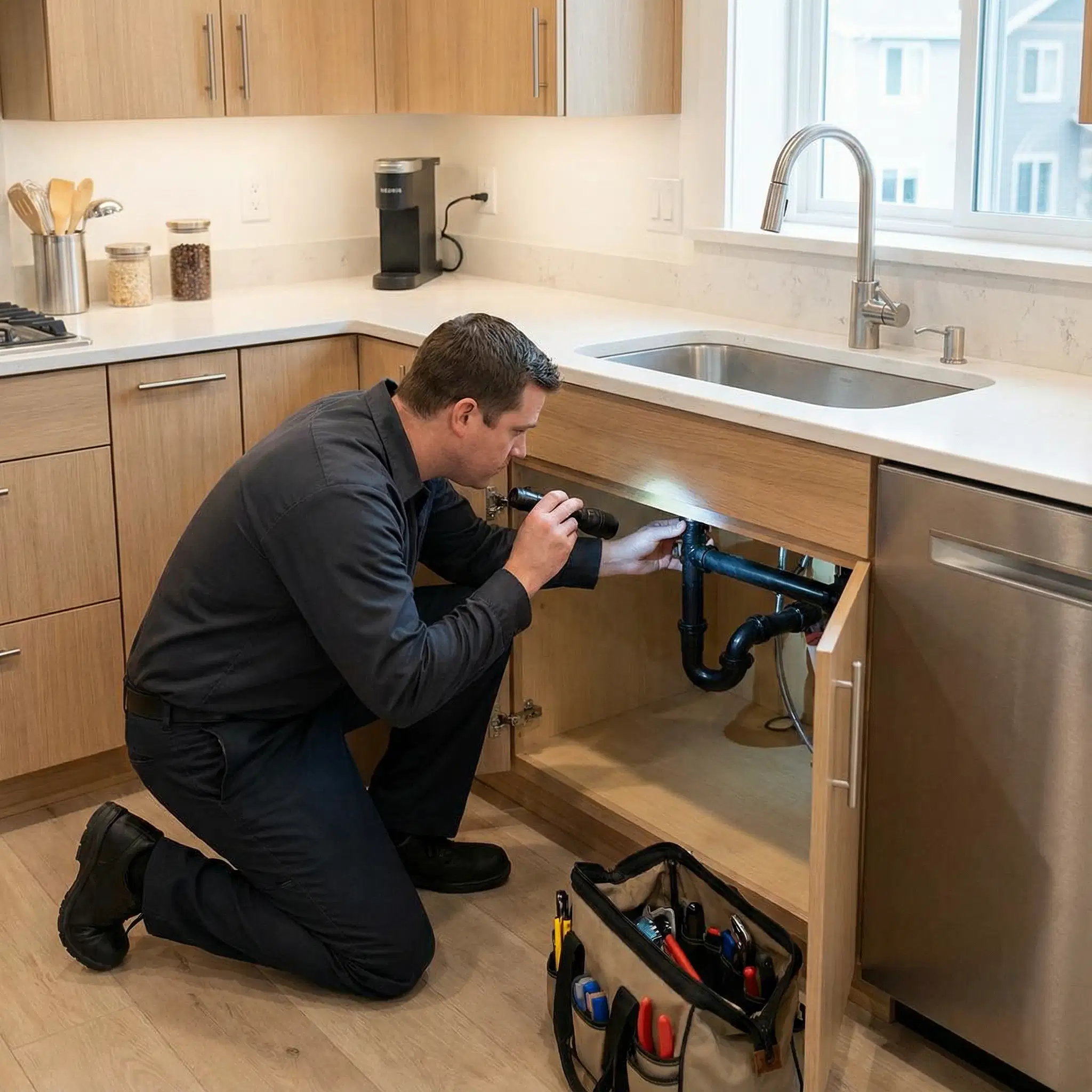
How to Properly Use and Maintain Your Garbage Disposal
Your garbage disposal is a powerful appliance, but it’s not an invincible trash compactor. Treating it with care will extend its life and prevent many common kitchen plumbing problems, including jams and clogs. If you've ever wondered how to fix a jammed garbage disposal, prevention is your best strategy.
Garbage Disposal Best Practices:
- Use Cold Water: Always run a strong flow of cold water before, during, and for about 30 seconds after using the disposal. Cold water helps keep any fats or grease solidified so they can be chopped up and washed away more easily. Hot water can liquefy grease, allowing it to travel further down the pipe before solidifying and causing a deeper clog.
- Cut Food into Small Pieces: Don't overload the disposal. Feed food waste into it gradually and in small pieces to allow the blades to work effectively.
- Avoid the “Don’t” List: Everything mentioned in the section above should also be kept out of your garbage disposal. Hard items like bones, fruit pits, and un-popped popcorn kernels can dull or damage the blades.
What to Do When It Jams:
A jam can happen to even the most careful homeowner. If you hear a humming sound but the blades aren’t turning, it's likely jammed. First and most importantly, turn off the power to the disposal at the switch and the circuit breaker. Never put your hand down the drain.
Many units have a small socket on the bottom where you can insert a quarter-inch Allen wrench (often included with the disposal) to manually turn the blades back and forth, freeing the obstruction. After you’ve dislodged the jam, you can try turning the power back on and running it. If the issue persists or you’re not comfortable performing this task, it’s time to call a professional. Continuing to run a jammed motor can burn it out, leading to a more costly replacement. For expert help with your unit, you can learn more about our garbage disposal services.
Proactive Habits for a Healthy Kitchen Plumbing System
Beyond knowing what to avoid, a few simple, regular habits can make a huge difference in the health of your kitchen plumbing. Think of it as preventative care for your home.
- Give it a Good Flush: Once a week, fill your sink with hot water and then let it drain. The volume and pressure of the water can help flush out any early-stage buildup in your pipes.
- Regularly Clean Your Disposal: To combat odors and minor buildup, you can grind up a few ice cubes along with some citrus peels (lemon, lime, or orange). This helps clean the blades and leaves your sink smelling fresh.
- Be Mindful of Hard Water: Here in The Hammer, we have notoriously hard water. Over time, mineral deposits can build up inside your pipes and appliances, restricting flow. Regular flushing helps, but if you notice consistently low water pressure, it might be a sign of significant buildup.
Sometimes, despite your best efforts, you might notice signs of a persistent problem, such as recurring clogs, foul odors that won’t go away, or gurgling sounds from the drain. These are indicators that there’s a deeper issue that home remedies can’t fix. For these tough, recurring blockages, a professional service like hydro jetting can thoroughly clean the inside of your pipes, restoring them to near-original condition.
Keep Your Kitchen Flowing with Aberdeen Plumbing
Preventing clogs and garbage disposal failures is all about developing good habits. By being mindful of what goes down your drain and performing simple maintenance, you can avoid most common kitchen plumbing headaches and protect your home from unexpected, costly repairs.
However, when problems do arise, it’s important to have a trusted professional you can count on. If you’re dealing with a stubborn clog, a malfunctioning disposal, or any other issues with your kitchen plumbing, the expert team at Aberdeen Plumbing is here to help. We provide reliable, transparent, and high-quality plumbing solutions for homeowners throughout Hamilton. Don’t let a plumbing problem disrupt your life—contact us today for prompt and professional service.