
Keep Your Basement Dry: A Hamilton Homeowner's Guide to Spring Flood Prevention
Spring in Hamilton is something special. As the snow melts away from the Mountain and the days get longer, we all feel a sense of renewal. But with the spring thaw and heavy rains comes a familiar worry for many homeowners: the risk of a wet basement. Water damage is stressful, expensive, and can cause lasting problems for your home's foundation and air quality. Whether you live in the Lower City where drainage can be a challenge or in an older home with an aging plumbing system, being proactive is the key to a dry and worry-free season.
Fortunately, you can take concrete steps to protect your property. Understanding the essential plumbing systems that defend your home against flooding is the first step. In this guide, we'll walk you through three critical areas: maintaining your sump pump, understanding the protection a backwater valve offers, and ensuring your drains are clear and ready for the deluge. Let's make sure the only thing you're worrying about this spring is when to start your garden.
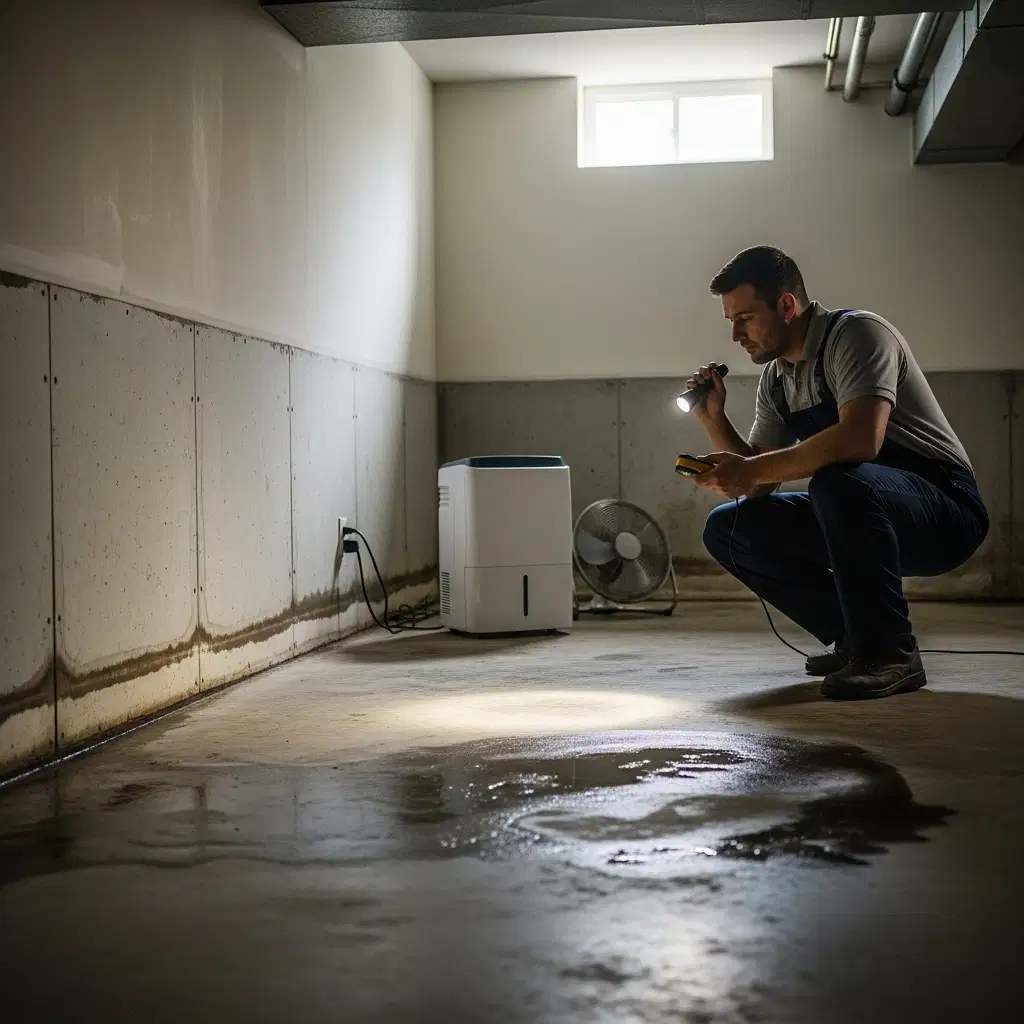
Your First Line of Defense: The Sump Pump
A sump pump is your silent guardian against groundwater. It sits in a basin (sump pit) in the lowest part of your basement, collecting excess water from the weeping tiles around your foundation. When the water reaches a certain level, a float switch activates the pump, which then pushes the water out and away from your house. For many homes in The Hammer, it's the single most important piece of flood prevention equipment.
However, a sump pump is only effective if it's working correctly. Since it sits idle for long stretches, it's crucial to perform some basic maintenance before the rainy season hits.
Sump Pump Maintenance Checklist:
- Check the Power: Ensure the sump pump is plugged into a working ground fault circuit interrupter (GFCI) outlet. If the GFCI has tripped, reset it. Consider a battery backup system for protection during power outages, which often accompany heavy storms.
- Clear the Pit: Remove any dirt, gravel, or debris from the sump pit that could clog the pump's intake or interfere with the float switch mechanism.
- Test the Float Switch: The float is what tells the pump to turn on. Make sure it can move freely without getting stuck on the sides of the pit.
- Perform a Test Run: Pour a bucket of water into the pit. The pump should kick on, remove the water, and shut off automatically. If it doesn't, it's a sign you need professional help.
If your pump is making strange noises, running constantly, or is more than 7-10 years old, it might be time for a check-up or replacement. Our expert team provides comprehensive sump pump services, from routine inspections and repairs to installing a new, reliable system tailored to your home's needs.
Guarding Against an Unseen Threat: Sewer Backup
While groundwater is a major concern, another threat can come from the municipal sewer lines themselves. During a torrential downpour, the city's sewer system can become overwhelmed. This immense pressure can cause water and sewage to flow backward through your home's sewer line and up through your floor drains, toilets, and sinks. It's a messy, unsanitary, and costly problem.
This is where a backwater valve comes in. A backwater valve is a simple but brilliant device installed on your main sewer line. It's essentially a one-way gate that allows waste to flow out of your house but automatically closes if it detects a backflow from the city sewer. It's a crucial piece of protection, and in many areas, it's required by building codes.
Installing a backwater valve is not a DIY job. It requires excavation and professional knowledge of your home's plumbing system to ensure it's installed correctly and functions as intended. Investing in professional backflow prevention provides peace of mind, knowing your home is protected from the worst-case scenario during a storm. It's a smart investment that safeguards your property value and your family's health.

The Unsung Hero: Clear Drains and Gutters
Your home's flood defense system is only as strong as its weakest link. You can have the best sump pump and a backwater valve, but if water can't get away from your house in the first place, you're still at risk. This is why clear drains, gutters, and downspouts are so important.
- Exterior Drainage: Clogged eavestroughs will cause water to spill over the sides, saturating the ground directly against your foundation. This puts immense pressure on your weeping tiles and can easily overwhelm your sump pump. Ensure your gutters are clear of leaves and debris, and that your downspouts direct water at least six feet away from your foundation.
- Interior Drains: The drains inside your home are just as important. A slow-draining sink or shower might seem like a minor annoyance, but it can be a symptom of a partial clog in your main drain line. When a spring storm hits, that partial clog can quickly become a full-blown backup as the system is inundated with water.
Preventative drain cleaning is one of the best ways to avoid a spring plumbing emergency. Using advanced tools like hydro-jetting, our technicians can clear out years of accumulated grease, roots, and debris, ensuring your pipes are clear and ready to handle whatever the weather throws at them.
Stay Dry This Spring with Aberdeen Plumbing
Protecting your home from spring flooding is all about being proactive. By regularly testing your sump pump, installing a backwater valve for sewer backup protection, and keeping your drains and gutters clear, you can significantly reduce your risk of water damage. Don't wait for a puddle in the basement to tell you there's a problem.
If you have questions about your home's plumbing system or need professional help getting it ready for the season, the team at Aberdeen Plumbing is here for you. We offer expert sump pump services, backflow prevention installation, and comprehensive drain cleaning to keep your Hamilton home safe and dry. Contact us today to schedule a consultation and enjoy a flood-free spring.