Evaluating Tankless Water Heaters for Cold Climates
As the temperatures drop across the GTA, homeowners start thinking heavily about their home comfort systems. One of the most common questions we hear is whether tankless water heaters are actually worth the investment in colder Canadian climates. It is a valid concern. When the frost sets in and winter weather conditions become extreme, you want to know that your morning shower will stay consistently hot.
Tankless systems, also known as on-demand water heaters, have gained immense popularity for their energy efficiency and space-saving designs. However, operating these units in an environment where winter groundwater can approach freezing temperatures requires careful planning and professional expertise.
At Aberdeen Plumbing, our goal is to provide reliable, solutions-focused guidance. We do not believe in pushing unnecessary services; instead, we want to ensure that if you make a significant upgrade to your home, it performs flawlessly for years to come. Let us take a closer look at how cold weather impacts these systems and what you need to consider before making the switch.
How Cold Groundwater Impacts Performance
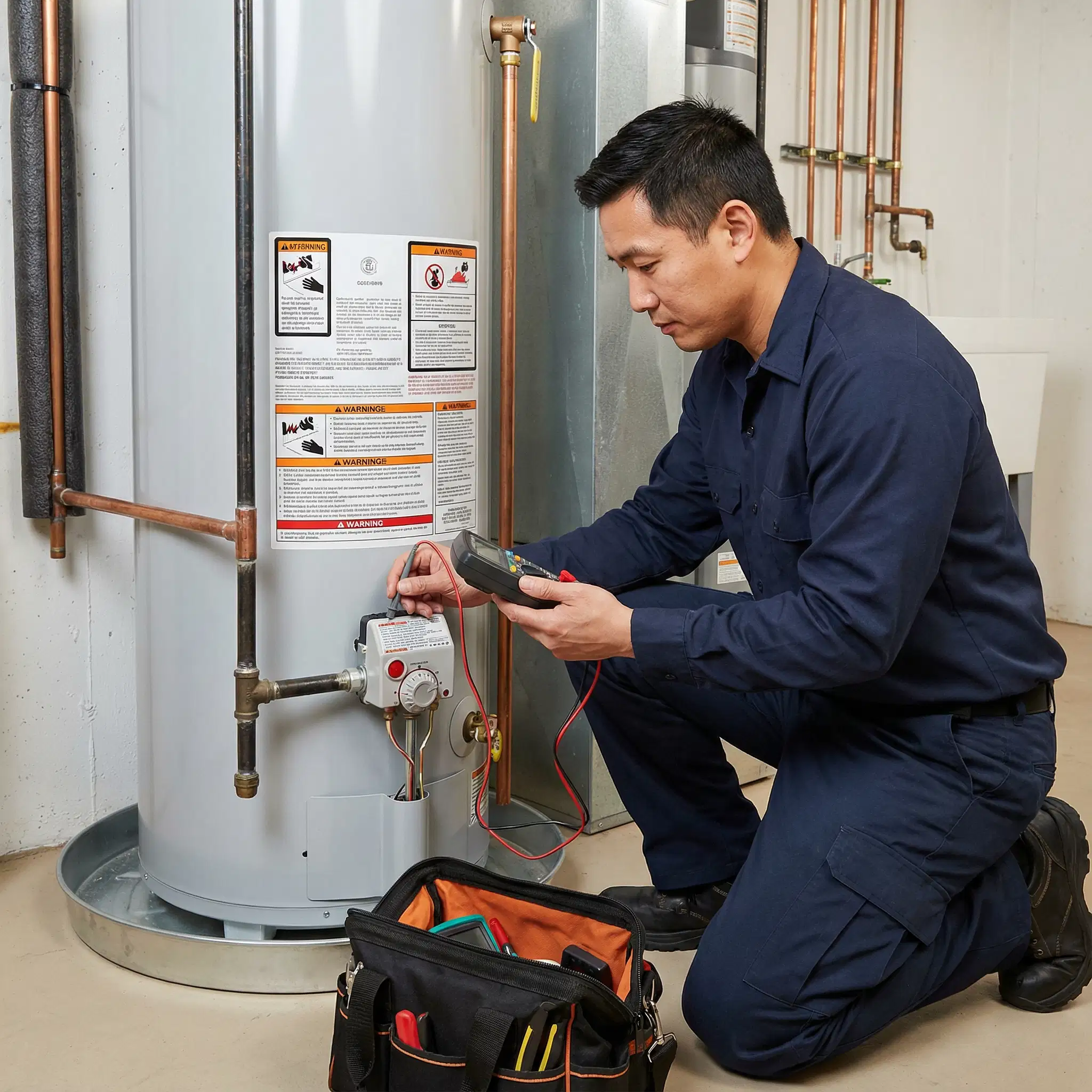
To understand tankless water heater performance in cold weather, it helps to know how these systems operate. Unlike traditional tanks that continuously heat a large reserve of water, tankless units heat water instantly as it flows through a heat exchanger. The unit's ability to provide hot water depends on the "temperature rise"—the difference between the temperature of the incoming cold water and the desired hot water temperature at your faucet.
During our long winters, the municipal water traveling through underground pipes gets exceptionally cold. This means the water heater has to work much harder to raise that nearly freezing groundwater to a comfortable 120 degrees Fahrenheit (or about 49 degrees Celsius). If the demand for hot water is too high—such as running two showers and a dishwasher simultaneously—the unit might restrict the water flow to ensure it can still reach the target temperature.
This is why properly sizing a tankless water heater for freezing groundwater is arguably the most critical step of the installation process. A unit that works perfectly fine in a southern climate will likely struggle here if it isn't specifically rated for a high temperature rise. Our team calculates your household's peak water demand and factors in the lowest winter groundwater temperatures to recommend a unit that will never leave you shivering.
Assessing Your Home's Infrastructure
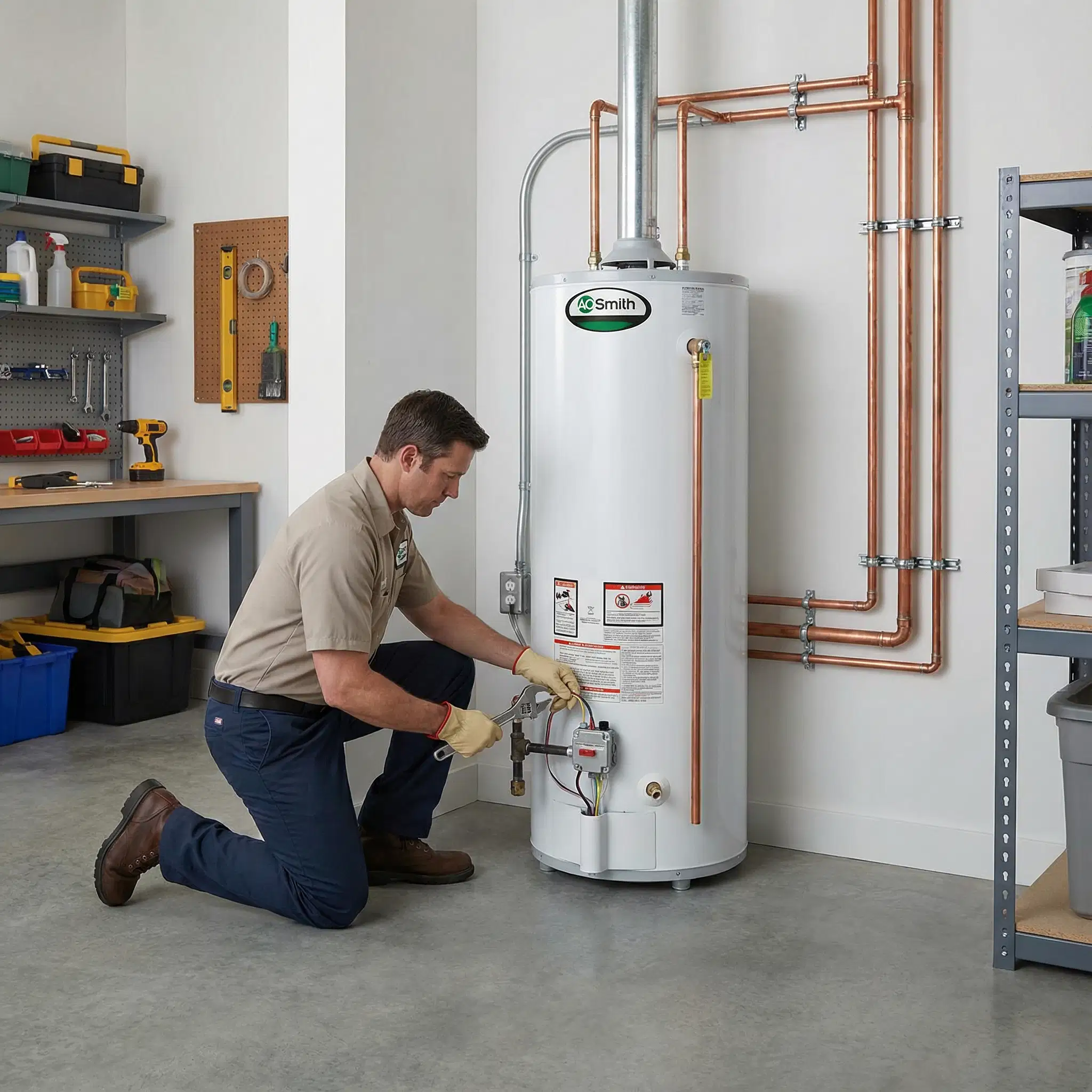
Switching to a tankless system often involves more than just swapping out the old unit. Because these on-demand heaters require a massive burst of energy to heat water instantly, they typically have higher fuel or electrical requirements than traditional tanks.
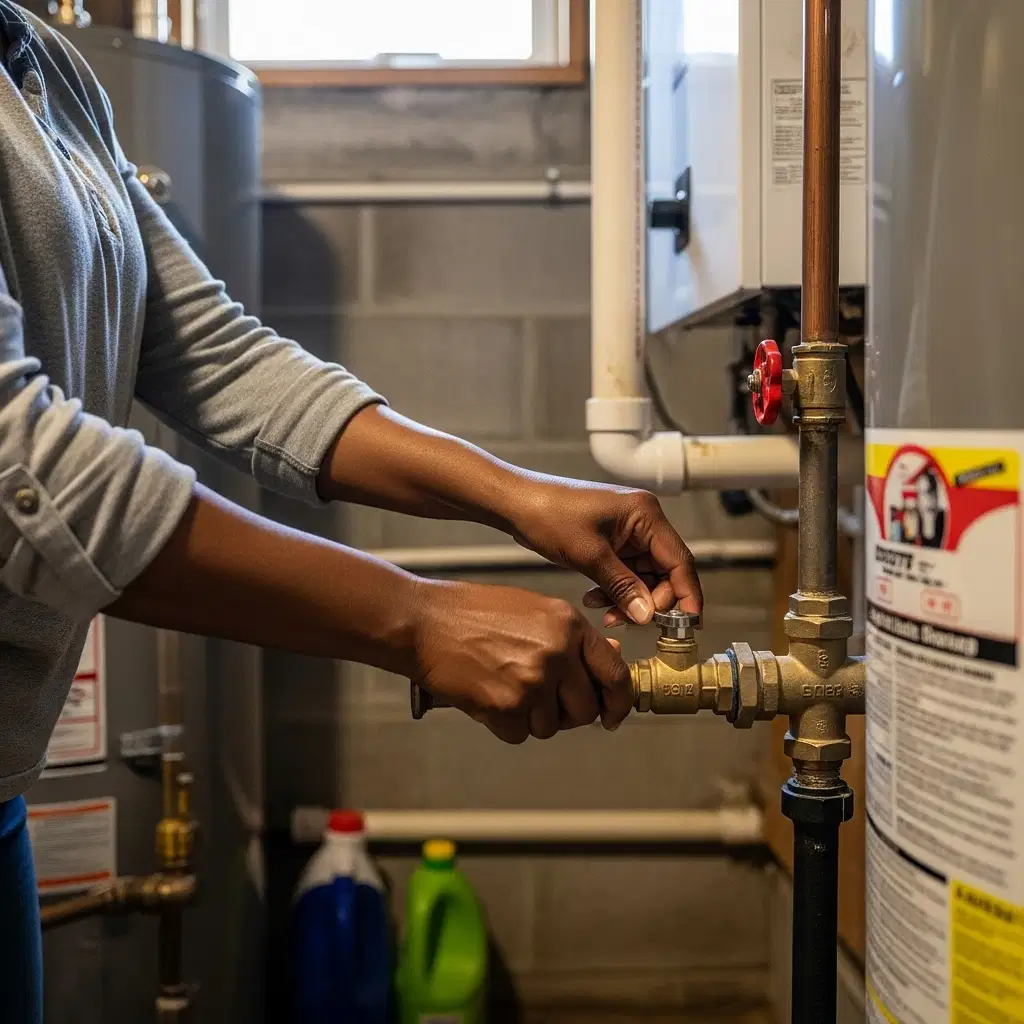
For gas-powered models, this frequently means upgrading the gas line to accommodate a higher BTU capacity. Additionally, upgrading water lines for tankless water heaters may be necessary, especially in older properties across the Golden Horseshoe where existing pipes might restrict the flow rate required by modern, high-efficiency units. If you are noticing low pressure or are dealing with aging infrastructure, you may need to look into professional waterline repair or replacement to ensure your new system operates at peak efficiency.
Venting is another important consideration. High-efficiency condensing units require specific PVC or CPVC venting to safely expel exhaust gases, which might involve creating new ventilation paths through your walls. While these upfront infrastructure adjustments involve navigating volatile material costs and initial investments, the long-term payoff includes endless hot water, significant savings on your hydro and gas bills, and a much smaller mechanical footprint in your home.
Making the Right Choice for Your Household
Are tankless water heaters worth it? Yes, absolutely—provided they are chosen and installed correctly. The shift toward eco-friendly plumbing solutions is a major trend, and for good reason. High-efficiency tankless units use significantly less energy over their lifespan, reducing your carbon footprint while potentially qualifying you for various provincial energy rebates.
However, we know that every home is unique. When you contact Aberdeen Plumbing for a major upgrade, our process involves a thorough, transparent consultation. We look at your daily routines, your home's existing plumbing architecture, and your budget. We prioritize long-term, practical solutions over quick sales. Our technicians will clearly explain the differences in models, operating costs, and maintenance requirements—such as the need for annual descaling, particularly if you have hard water.
We also recommend not waiting for extreme seasonal demand spikes. Winter freeze-ups and sudden tank failures lead to frantic emergency calls. Planning your upgrade during the shoulder seasons ensures you have the time to make an informed decision without the stress of an immediate breakdown.
Ready to Upgrade Your Comfort?
Navigating the options for home heating and plumbing can feel overwhelming, but you do not have to do it alone. By prioritizing proper sizing, understanding your home's infrastructure needs, and relying on professional guidance, a tankless system can provide exceptional comfort and efficiency, no matter how harsh the winter gets.
If you are considering a switch to an on-demand system, or if you simply need routine maintenance on your current setup, our licensed and insured team is here to help homeowners in Hamilton and the surrounding areas. We take pride in delivering clean, respectful, and highly skilled workmanship for every project we take on.
Explore our comprehensive water heater services to learn more about your options, or reach out to our friendly team today. Visit our contact us page to schedule a consultation and take the first step toward a more efficient home.