Commercial Kitchen Grease Trap Maintenance Essentials
Running a busy commercial kitchen in Hamilton or anywhere across the GTHA is a demanding logistical challenge. Between managing staff, ensuring food quality, and keeping up with the lunch and dinner rushes, the last thing you need to worry about is a plumbing disaster shutting down your operations. Yet, one of the most overlooked components of a commercial kitchen is the grease trap. Proper maintenance of this crucial system is non-negotiable for avoiding catastrophic backups, foul odors, and hefty municipal fines. At Aberdeen Plumbing, we know that commercial plumbing maintenance isn't just about fixing things when they break; it's about proactive solutions that keep your business running smoothly without unnecessary disruption. We focus on transparent communication and practical long-term solutions, so you never have to deal with pushy sales tactics or unexpected downtime.
Understanding Restaurant Grease Trap Plumbing Compliance
Staying compliant with the Ontario Building Code and local municipal bylaws is a significant operational hurdle for restaurant owners. When fats, oils, and grease enter the municipal wastewater system, they cool, solidify, and create massive blockages known as fatbergs. To prevent this, municipalities strictly enforce restaurant grease trap plumbing compliance. Failing to maintain your grease interceptor not only puts your plumbing at risk but can result in severe fines or even temporary closure of your establishment. Regular maintenance ensures you meet these regulatory standards while avoiding the stress of surprise health inspections. It's an investment in your business's operational security.
The Ideal Commercial Kitchen Grease Trap Cleaning Frequency
One of the most common questions we get from restaurant managers is about commercial kitchen grease trap cleaning frequency. The truth is, there is no one-size-fits-all answer, as it depends entirely on the volume of food you produce, the types of dishes you serve, and the capacity of your interceptor. As a general rule of thumb, most active commercial kitchens should schedule grease trap services every one to three months. However, the golden rule is the one-quarter standard: your trap should be cleaned when 25 percent of its liquid depth is composed of fats, oils, and grease. Waiting longer than this significantly increases the risk of foul odors backing up into your kitchen or dining room, which can ruin your customer experience in an instant. Partnering with a reliable Red Seal certified plumbing team ensures you get an honest assessment of your specific volume needs, helping you set a schedule that makes sense for your budget and operations.
Recognizing the Signs of a Failing Grease Interceptor
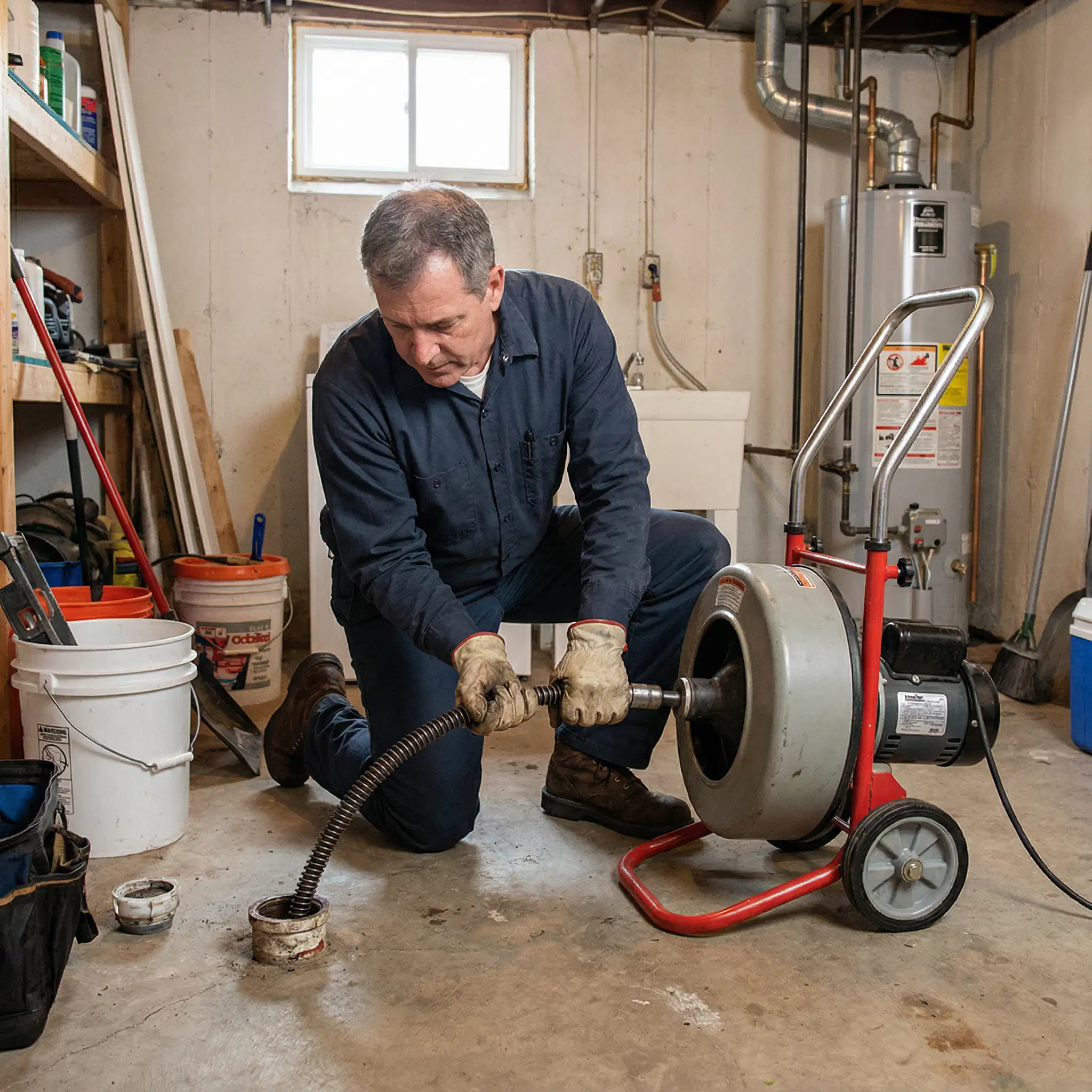
Even with a rigorous cleaning schedule, the physical components of your grease trap undergo immense wear and tear over the years. Acidic food waste can corrode metal parts, while baffles can become damaged or dislodged. Recognizing the early signs of a failing grease interceptor can save you from a major operational crisis. If you notice a persistent, rancid smell lingering in your kitchen, slow-draining sinks across multiple stations, or unusual gurgling noises coming from your drains, it's time to call in a professional. Ignoring these symptoms often leads to emergency situations right in the middle of a Friday night service. In cases where a severe clog has already formed in the pipes beyond the trap, professional commercial drain cleaning is the most effective way to restore proper flow and get your kitchen back up to speed.
Preventing Fats, Oils, and Grease Sewer Clogs
While having a robust maintenance schedule is critical, preventing fats oils and grease sewer clogs starts with the daily habits of your kitchen staff. Small changes in your team's routine can drastically extend the time between professional pump-outs and protect your internal plumbing infrastructure. Train your staff to scrape all plates thoroughly into the trash before they reach the dish pit. Use sink strainers to catch solid food debris, and never pour cooking oils, butter, or heavy sauces directly down the drain. If an aging interceptor is simply no longer keeping up with your business's growth, or if corrosion has compromised its structural integrity, you may need to look into drain line repair/replacement to modernize your setup and handle increased capacity.
Keep Your Kitchen Moving with Aberdeen Plumbing
Whether your restaurant is a local favorite right here in Hamilton or a busy franchise catering to commuters off the 401, maintaining your commercial grease trap is essential to your success. At Aberdeen Plumbing, we understand the severe skilled labor shortages and operational pressures that food service businesses face today. That's why we bring organized systems, professional coordination, and respectful technicians to every job, minimizing disruption to your workflow. We're here to provide the proactive maintenance and expert plumbing services you need to keep your doors open and your customers happy. Contact Aberdeen Plumbing today to discuss a customized maintenance plan tailored to your kitchen's unique demands.