Commercial Backflow Testing and Cross-Connection Control
Clean drinking water should flow in one direction: from the municipal supply into your building. When pressure changes allow water to reverse course, contaminants from equipment, chemicals, irrigation systems, boilers, or other sources can enter the potable water system.
For property owners, facility managers, builders, and commercial tenants across Hamilton, managing this risk is part of responsible building operation. It may also involve surveys, approved prevention devices, periodic testing, documentation, and prompt repairs.
This guide explains how cross-connection control works, what to expect from a backflow test, and how to build compliance into routine property maintenance.

Why Backflow Is a Commercial Building Risk
A cross-connection is any actual or potential link between a potable water line and a source of contamination. Common examples include connections to boilers, commercial dishwashing equipment, chemical dispensers, fire protection systems, irrigation lines, dental equipment, laboratory fixtures, and industrial processes.
Backflow can occur in two ways:
- Backsiphonage: Negative pressure in the supply piping draws water backwards. This may happen during a water-main break, firefighting demand, or another sudden pressure drop.
- Backpressure: Equipment or a private system develops more pressure than the drinking-water supply, pushing non-potable water back into the potable line.
The consequences can extend beyond a failed inspection. Contamination may endanger occupants, interrupt operations, create liability, and require costly investigation or remediation. A properly selected and maintained device creates a physical barrier against that reverse flow.
A backflow preventer is also different from a backwater valve. A backflow preventer protects drinking water, while a backwater valve helps stop sewage from reversing through a building drain. Some properties affected by combined sewers may benefit from both, but each addresses a separate risk.
Annual Inspection Requirements and Cross-Connection Surveys
Backflow requirements depend on the building’s use, hazard classification, plumbing configuration, and the type of device installed. Municipal cross-connection control programs may require an initial survey, installation or replacement of an approved device, testing after installation or repair, and recurring tests for testable assemblies. Many regulated devices are tested annually, but property owners should confirm the exact schedule stated in their municipal notice or compliance records.
A commercial cross-connection control survey is broader than a device test. During a survey, the building’s water uses and potential contamination points are reviewed to determine whether appropriate protection exists. The resulting report may identify missing devices, incorrect device types, inaccessible assemblies, or changes required to meet current standards.
Good compliance practices include:
- Keeping an inventory of every backflow prevention assembly.
- Recording the device type, serial number, size, location, and test date.
- Scheduling inspections before municipal deadlines.
- Using a qualified tester with appropriate equipment.
- Retaining test reports, repair records, and submission confirmations.
- Reassessing protection after renovations or changes in building use.
Ontario Building Code requirements and municipal rules can evolve, so relying on an old report is risky. A renovated restaurant, expanded medical office, or newly installed process line may create cross-connections that were not present during the previous survey.
What Happens During a Backflow Test?
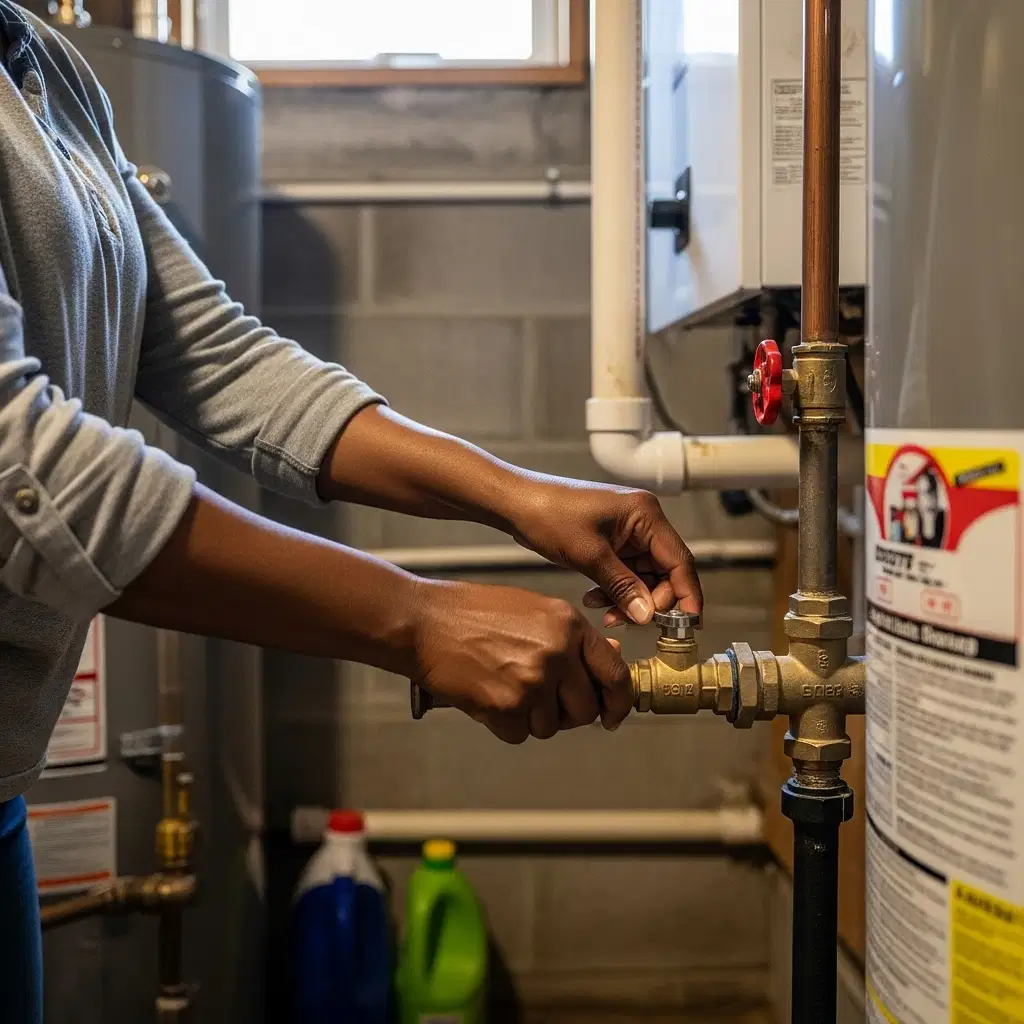
Testing checks whether the internal valves and relief components operate at the required pressure differentials. The process varies by assembly type, but it usually includes identifying the device, visually checking its condition, connecting calibrated test equipment, operating the shutoff valves, and recording the results.
Water service may need to be interrupted briefly. For restaurants, medical facilities, multi-unit properties, and industrial operations, that shutdown should be coordinated carefully. Clear scheduling and proactive communication help reduce disruption to staff, tenants, and customers.
If a device passes, the tester completes the required documentation. If it fails, the next step may involve cleaning, replacing internal components, correcting an installation problem, or replacing the assembly. The unit should then be retested to confirm that it performs correctly.
Aberdeen Plumbing takes an organized, solutions-focused approach to commercial work. Options should be explained clearly, with practical recommendations based on risk, compliance needs, operational impact, and budget—not unnecessary additions. Pairing backflow prevention with scheduled commercial plumbing maintenance can also reduce missed deadlines and surprise shutdowns.
Signs a Backflow Preventer Needs Attention
A device can fail a test without obvious symptoms, which is why visual checks alone do not replace scheduled testing. Still, facility staff should report concerns such as:
- Persistent dripping or discharge from the relief valve
- Corrosion, mineral buildup, or water staining around the assembly
- Damaged shutoff valves or missing test-cock caps
- Unusual pressure fluctuations downstream
- A device exposed to freezing conditions
- Repeated test failures or frequent internal repairs
- An assembly that is obstructed, altered, or difficult to access
Do not cap a leaking relief opening or bypass the assembly. Discharge can indicate debris, pressure problems, worn components, or a condition the device is designed to relieve. Improvised changes may compromise potable water protection.
Modern monitoring technology can strengthen a maintenance program. Smart water meters, pressure sensors, and leak-detection systems can alert managers to abnormal flow or pressure changes. However, these tools do not replace a required mechanical backflow preventer, cross-connection survey, or certified performance test.
Make Cross-Connection Control Part of Planned Maintenance
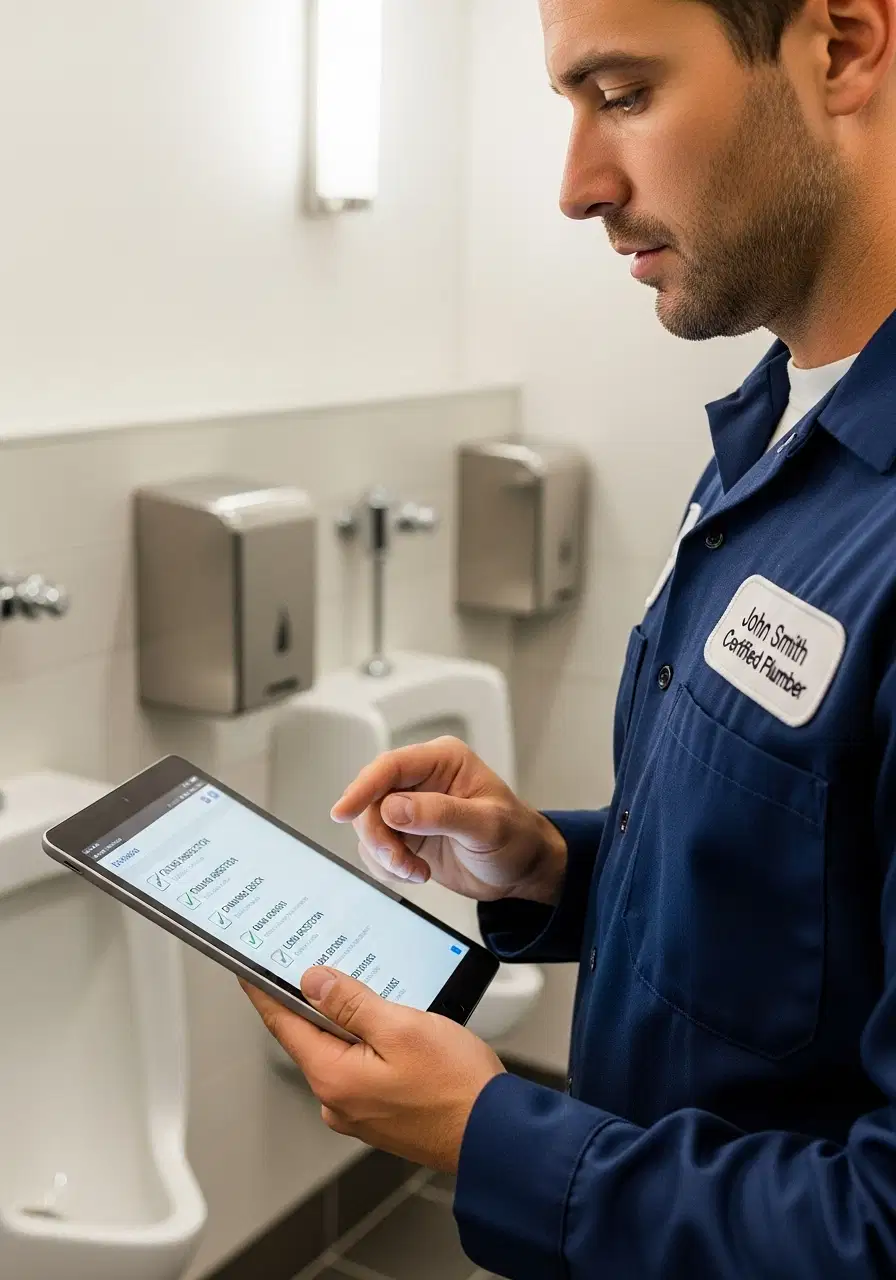
Backflow compliance is easier to manage as a recurring process rather than a last-minute response to a notice. Add each device to the building’s maintenance calendar, assign responsibility for records, and coordinate testing with other plumbing inspections. Property managers overseeing several sites can use a central register to track due dates, repairs, and reports.
It is also worth reviewing cross-connections when a tenant changes, equipment is replaced, or a renovation alters the plumbing system. Builders, designers, and facility teams should discuss protection requirements early so devices can be sized correctly and installed in accessible locations with suitable drainage and clearance.
For broader planning ideas, read Aberdeen Plumbing’s guide to protecting commercial operations. Preventive attention can protect water quality, support compliance, and limit operational interruptions.
If your business in Hamilton needs help reviewing a backflow assembly or coordinating ongoing plumbing care, contact Aberdeen Plumbing to discuss Backflow Prevention, Commercial Plumbing Maintenance, leak detection, drain services, or water-line work. Get in touch to plan a clear, practical next step.